How Long Does a Mini Fridge Last?
A mini fridge often lasts about 10 years. How long yours lasts depends on its condition, placement, care, and cooling performance, so check those before deciding to repair or replace it.
On this page (9 sections)
- How long does a mini fridge last?
- What should you check when choosing a mini fridge?
- What affects a mini fridge's lifespan?
- What signs suggest a mini fridge may be failing?
- Can heat, noise, or ice buildup point to a problem?
- Should you repair or replace an old mini fridge?
- What setup choices can help a mini fridge last longer?
- What common mistakes shorten a mini fridge's useful life?
- How long does a mini fridge last, and when should you replace it?
A mini fridge often lasts about 10 years, but how long a mini fridge lasts depends on its placement, condition, care, and ability to keep food cold. Check its cooling and safety before deciding whether repair or replacement makes sense.
Age is a starting point, not a verdict. A well-kept older fridge may still suit your needs, while a younger one with repeated cooling or electrical problems may need service.
How long does a mini fridge last?
Many mini fridges last about 10 years, though there is no guaranteed service life for every model. Heat, limited airflow, heavy use, and neglected maintenance can contribute to trouble sooner.
A fridge's compressor, fan, controls, door seal, and cooling system all affect performance. You may notice a problem through warm food, longer run times, unusual noise, or recurring frost, but one symptom alone doesn't prove the fridge is failing.
If you're choosing a replacement, the mini refrigerator buying guide covers capacity, layout, and placement. If you need a separate freezer compartment, compare small refrigerators with a freezer.
What should you check when choosing a mini fridge?
Choose a mini fridge that fits your space, your storage needs, and the room where you'll use it. A model that's too large for its location or too small for your regular groceries can become inconvenient even if it cools properly.
Measure the available width, height, and depth, including room for the door to open and the clearance required by the manual. Check the mini fridge dimensions guide before you shop, especially if the fridge will sit under a desk or inside a cabinet.
Think about what you'll keep inside. A small drinks fridge has different storage needs from a unit holding meals and groceries.
Freezer compartments take up space that could otherwise be used for fresh items. If you won't use a freezer, see mini fridges with no freezer for that layout.
Also consider the placement and the work involved in keeping the fridge clean. A cramped corner, dusty area, or unstable floor can make care harder, so include setup and access in your choice.
How long does a mini fridge last with regular care?
Regular care can help you catch problems early and avoid putting extra strain on the fridge. Follow the manual for clearance, cleaning, leveling, and defrosting because those instructions vary by model.
Keep ventilation openings clear and clean accessible dust as directed. Close the door fully after each use.
Avoid packing food so tightly that cold air cannot circulate. A fridge used for frequent door openings may have to work harder to return to its set temperature.
What affects a mini fridge's lifespan?
Blocked airflow, a hot location, frequent door openings, and neglected cleaning can all affect how a mini fridge runs. Use it within the operating conditions in the manual and give it the clearance the manufacturer calls for.
- Airflow: Leave space around the cabinet and keep vents clear.
- Room conditions: Avoid a location outside the fridge's stated operating conditions.
- Cleaning: Remove dust from accessible vents or coils as directed.
- Door seal: Keep it clean and check that the door closes all the way.
- Loading: Leave room for cold air to move around stored food.
- Stability: Use a level, stable surface and follow the manual's placement advice.
A carpeted floor can make a fridge harder to level and may affect ventilation, depending on the setup. Read whether you can put a mini fridge on carpet before settling on that spot.
Can cleaning help a mini fridge last longer?
Cleaning accessible vents or coils can help keep dust from restricting airflow. Unplug the appliance first if the manual instructs you to, and don't remove panels or reach into electrical parts.
The Flexible Fridge Coil and Vent Brush Set has flexible shafts for tight spaces around accessible coils and behind appliances. Its maker cautions against excessive bending, so use it only where your fridge manual allows.
Coil locations differ across models, and some parts may not be intended for owner cleaning. Check the manual for the right method and stop if you would need to move or open a part you're not meant to handle.
What signs suggest a mini fridge may be failing?
Persistent warm temperatures, repeated cooling trouble, damaged wiring, or a door that won't seal call for attention. Check straightforward causes first, since an open door, blocked vent, loose plug, or changed setting may explain a sudden change.
If food isn't staying cold, move it to a working refrigerator while you investigate. Measure the temperature inside rather than judging by how cold the cabinet feels, and compare the reading with the guidance for your food and appliance.
Unplug the fridge and contact the manufacturer or a qualified repair professional if you notice a damaged cord, burning smell, sparks, or repeated electrical trips. Don't continue using an appliance that appears unsafe.
How can you tell whether a mini fridge is cooling properly?
An interior thermometer gives you a clearer picture than touching the cabinet. Place it inside, give it time to settle, and compare the reading with the temperature guidance in the manual.
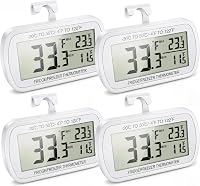
A thermometer with a maximum and minimum record can help you spot changes between checks. The Waterproof Digital Fridge Thermometer displays current, maximum, and minimum readings, and can stand on a shelf, hang, or attach magnetically.
For temperature guidance, see how cold a mini fridge should be. If readings stay outside the range recommended for your food or appliance, check the manual and seek service advice.
Can heat, noise, or ice buildup point to a problem?
A warm exterior or some operating noise can be normal, but a persistent or sudden change is worth checking. Compare the fridge's behavior with its manual and its usual pattern instead of treating one warm side or sound as a failure by itself.
Some mini fridges release heat through their sides or back, depending on the design. Follow these checks for a mini fridge that's hot on the sides if the warmth seems unusual or cooling has changed.
Heavy or recurring ice can interfere with storage and cooling. Follow this guide to mini fridge ice buildup before scraping or defrosting, because the safe method depends on the model.
Should you repair or replace an old mini fridge?
Compare the repair estimate with the fridge's cooling, safety, and overall condition. A one-time issue may be practical to fix, while recurring faults or an unsafe appliance point toward replacement.
Check the warranty and contact the manufacturer about service options. Avoid repairs involving refrigerant, sealed cooling parts, or electrical components unless you're qualified to do them.
Replacement may make sense if the fridge can't hold temperature, has a badly damaged door or cabinet, or keeps developing faults. Measure the space first, then compare capacity and layout with the mini refrigerator buying guide.
What setup choices can help a mini fridge last longer?
Give the fridge a stable position with the clearance its manual requires. A level setup makes the door easier to close properly, while open space around ventilation areas helps avoid blocking airflow.
If the floor is uneven, the Adjustable Mini Fridge Stand With Leveling Feet can raise the appliance and provide adjustable feet to help balance it. It adjusts to fit a range of appliance sizes, so measure your fridge and floor space and confirm that the setup suits your model.
Follow the stand and fridge instructions during setup. Don't assume that a stand is needed for every floor or fridge, and check that it won't block ventilation or make the appliance unstable.
What common mistakes shorten a mini fridge's useful life?
The most avoidable mistakes are blocking airflow, skipping the manual, overloading the interior, and ignoring a lasting temperature change. Small checks are more useful than guessing at a cause or trying an improvised repair.
Don't push the fridge tightly against a wall if the manual requires clearance. Don't use a cleaning brush inside a vent or behind a panel unless the instructions say that area is safe to reach.
Avoid repeatedly opening the door to check whether food feels cold. Use a thermometer, keep the door shut between checks, and arrange food so it doesn't block interior air paths.
How long does a mini fridge last, and when should you replace it?
Keep an older mini fridge if it cools reliably, operates safely, and still fits your needs; plan to replace it if it cannot hold temperature or repairs keep returning. Around 10 years is a useful reference point, but the fridge's present condition matters more than age alone.
Choose a repair when a professional can identify a practical fix and the rest of the appliance is in good shape. Choose replacement when cooling remains unreliable, the cabinet or door is badly damaged, or repair costs don't make sense for the fridge you need.
For a replacement, measure your space, decide whether you need a freezer, and check the required clearance before buying. The mini refrigerator buying guide can help you compare the size and layout that fit your daily use.
Frequently asked questions
How many years should a mini fridge last?
A mini fridge often lasts about 10 years, but there is no fixed lifespan for every model. Use, room temperature, airflow, cleaning, and the appliance's condition all matter.
Regular care can help you spot cooling or seal problems before they lead to food loss or a replacement decision.
Is a 10-year-old mini fridge worth repairing?
It depends on the fault, repair cost, and how well the fridge has cooled over time. Check the warranty and ask a qualified repair professional for an estimate before spending money.
If problems keep returning or the cabinet cannot hold a safe temperature, replacement may make more sense.
How can I make my mini fridge last longer?
Follow the manual, keep the fridge level, leave the required clearance around it, and clean accessible coils or vents as directed. Avoid overloading it or blocking interior air paths.
Check the door seal and temperature regularly so you can address a problem early.
Should I replace a mini fridge that runs all the time?
Not automatically. A fridge may run longer after a warm room, frequent door openings, or a recent load of warm food.
Check the manual, airflow, door seal, and temperature first; if it keeps running and cannot maintain temperature, contact the manufacturer or a qualified repair professional.