Why Is There Ice Buildup in My Mini Fridge?
Mini fridge ice build up usually points to moisture entering the cabinet, a temperature setting that's too cold, or a blocked drain. Check the seal and food placement first, then use the manual to guide temperature changes and defrosting.
On this page (7 sections)
- What causes ice buildup in a mini fridge?
- Where should you look for mini fridge ice build up?
- How should you check temperature and the seal?
- How do you defrost a mini fridge safely?
- How can you prevent frost from returning?
- Which tools help with mini fridge ice build up?
- What should you do about mini fridge ice buildup?
Mini fridge ice build up usually means moisture is entering the cabinet, the setting is too cold, or water isn't draining as it should. Start with the door seal and food placement before changing controls or trying to clear a drain.
A thin layer of frost may form during normal use, especially in a small freezer compartment. Thick ice that returns quickly, standing water, or a door that won't close deserves a closer look.
What causes ice buildup in a mini fridge?
Moist room air freezes when it reaches a cold interior surface. A dirty or damaged door seal, frequent door openings, uncovered food, a cold setting, or a blocked drain can add moisture or leave water where it freezes.
Warm food can release moisture as it cools. Let food cool safely before storing it, cover it, and leave enough room to close the door without pushing containers against the seal.
Each door opening lets some room air into the cabinet. Decide what you need before opening the door, and avoid leaving it ajar while you organize shelves.
Some mini fridges have a small freezer compartment that needs occasional manual defrosting. Check your model's instructions to learn what frost is expected and how to remove it.
Where should you look for mini fridge ice build up?
The location of the ice helps narrow down what to check first. Look at the back wall, freezer compartment, drain area, and door edges, but don't scrape the ice to inspect underneath it.
Why is ice forming on the back wall?
A light frost patch on the back wall may be part of normal cooling, depending on the fridge design. A thick layer or frost that returns soon after defrosting suggests you should check airflow, moisture, and the temperature setting.
Leave room around vents and avoid pressing food against the wall. Use the manual to guide temperature changes, and read how cold a mini fridge should be for help checking the cabinet's temperature.
Why is there ice near the drain?
Ice or water near the drain can mean moisture is collecting around the drain opening. Food scraps or other debris may block it, but the drain location and cleaning steps vary by model.
Check the manual before cleaning the drain. If it permits a brush or cleaning tool, work gently and stop if you meet resistance.
The BZTT kit suits someone who has confirmed that their fridge has an accessible drain that can be cleaned with a tool. Skip it if your manual doesn't describe a drain-cleaning method or the blockage is out of reach.
Don't use every piece in the kit just because it's included. Match the tool to the instructions, and don't force anything into a narrow or hidden passage.
Why does ice collect around the door?
Ice around the door can mean it isn't closing fully or its seal is letting air through. Check for a container in the way, crumbs on the gasket, or a section that looks torn or loose.
Wipe the gasket with a soft cloth and a cleaner approved by the manufacturer. If the seal is damaged or the door still won't close evenly, ask the manufacturer about the correct repair.
How should you check temperature and the seal?
Check the manual's recommended setting, then measure the interior temperature instead of guessing from the dial. Controls vary, and a numbered dial may not represent degrees.
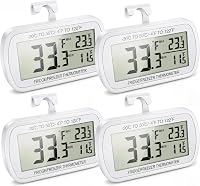
A thermometer helps you see whether the temperature changes after an adjustment. Place it where it can be read without touching a wall, then leave it in place long enough for the reading to settle.
The display has a magnetic back, stand, and hook, so you can place it where it remains easy to read. Its range is -4°F to 122°F and its stated accuracy is ±2°F, which makes it useful for a practical check rather than a precision diagnosis.
Choose this thermometer if you want to monitor temperature or compare readings before and after an adjustment. Skip it if you only need to find the cause of a door obstruction or visible spill, since a thermometer won't diagnose a seal or drain problem.
To check the seal, close the door on a thin piece of paper and gently pull it. If the paper slides out easily in one area, look there for debris or damage; a quick check won't repair a worn gasket.
Don't keep turning the control colder to chase one reading. Follow the manual and give the cabinet time to respond before making another adjustment.
How do you defrost a mini fridge safely?
Follow the model's manual and let the ice soften naturally. Remove food first, and prepare to catch meltwater before it reaches the floor.
- Move food to another cold space.
- Turn off and unplug the fridge if the manual directs you to.
- Put towels or a shallow container where water may drip.
- Leave the door open and let the ice soften.
- Wipe and dry the interior, then restart it as instructed.
Never chip ice with a knife, screwdriver, or metal tool. Avoid a hair dryer or other electrical heater around water, and don't pour hot water into the cabinet unless the manual specifically allows it.
A mat beneath the fridge can catch drips during cleanup, but it won't prevent ice inside the cabinet. Check the clearance under the door and the available floor space before choosing one.
The mat measures 23.6 x 23.6 x 0.5 in. It suits a fridge with enough floor space around it and a door that clears the raised edge; skip it if it blocks the door or the fridge sits in a tight spot.
After defrosting, dry the interior and check that any drain plugs are back in place. Give the fridge time to cool before returning food, following the manual's restart guidance.
How can you prevent frost from returning?
Keep the door shut, the seal clean, and vents clear to limit excess moisture and protect airflow. Store food in covered containers and wipe spills before they freeze.
Avoid overpacking shelves. Move items that block the door or touch a vent, and let warm food cool safely before putting it away.
If frost returns quickly even though the door closes, airflow is clear, and the setting follows the manual, contact the manufacturer or a qualified repair service. A persistent cooling or door problem may need repair; how long a mini fridge lasts can help you consider what to do next.
Common mistakes include setting the control colder without checking the manual, scraping ice with sharp tools, and forcing a brush into a drain. Each can create damage or leave the cause of the frost unresolved.
Which tools help with mini fridge ice build up?
Pick a thermometer to check temperature, a drain tool only when your manual allows it, and a drip mat if meltwater could reach the floor. These tools address different parts of the problem, so choose based on what you found during inspection.
The thermometer helps when you suspect an overly cold setting or want to compare readings. The drain kit is for an accessible drain with an approved cleaning method, while the mat catches water outside the fridge during defrosting.
None of these items fixes a torn gasket, a door that won't align, or a cooling fault. If ice keeps returning after basic care, get model-specific service advice instead of buying more cleaning accessories.
What should you do about mini fridge ice buildup?
For mini fridge ice build up, check the seal, temperature guidance, and food placement first; defrost gently when needed. Clean the drain only as the manual allows, and use a mat if meltwater may reach the floor.
Choose the thermometer if you need a temperature reading, the drain kit if your instructions permit drain cleaning, and the mat if you have clear floor space and door clearance. If heavy ice returns after these checks, contact the manufacturer or a qualified repair service; see why a mini fridge gets hot on the sides for another common upkeep concern.
Frequently asked questions
Why is ice building up in my mini fridge?
Ice builds up when moisture reaches a cold surface and freezes. A door left ajar, a dirty or worn seal, frequent opening, uncovered food, a blocked drain, or a setting that's too cold can contribute.
Check the manual before changing settings or defrosting, since expected frost and care steps vary by model.
Should I chip ice out of a mini fridge?
No. A knife, screwdriver, or other sharp tool can puncture the liner or damage parts behind it.
Unplug the fridge if the manual calls for it, let the ice soften naturally, and wipe up water as it melts.
Can a mini fridge drain cause ice buildup?
Yes. A blocked drain can leave water inside the fridge, where it may freeze on a cold surface.
If you see standing water or a recurring puddle, check the manual for the drain location and cleaning method.
Use a tool only if the instructions allow it, and stop if it meets resistance.
What temperature should a mini fridge be?
Use the temperature range and setting guidance in your mini fridge manual, then check the actual interior temperature with a thermometer. A control dial may not show degrees, and temperatures can vary by location inside the cabinet.
After adjusting the control, allow time for the reading to settle.