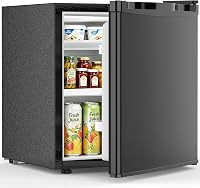
Can You Put a Mini Fridge on Carpet?
A mini fridge on carpet can be safe if its manual permits it, the vents stay clear, and the appliance remains level and steady. Use a firm, level surface if the carpet compresses or the fridge rocks.
On this page (10 sections)
- Can You Put a Mini Fridge on Carpet?
- Can you put a mini fridge on carpet safely?
- What problems can carpet cause under a mini fridge?
- How should you check carpet and placement?
- How do you choose a stand, mat, or pads?
- How do you set up a mini fridge on carpet?
- How do you care for the carpet beneath a mini fridge?
- What mistakes should you avoid with a mini fridge on carpet?
- When should you move a mini fridge off carpet?
- Is carpet a good place for your mini fridge?
Can You Put a Mini Fridge on Carpet?
A mini fridge on carpet can be safe if its manual permits it, the vents stay clear, and the appliance remains level and steady. Carpet can compress under the feet, restrict a low intake, or conceal drips, so check the setup before plugging in.
Check the manual for surface and clearance requirements. If it doesn't clearly allow carpet, choose a firm surface that supports every foot and leaves the vents open.
Can you put a mini fridge on carpet safely?
Sometimes, if the carpet doesn't interfere with airflow or stability. Thick or soft carpet can make a fridge lean or sink, depending on the feet and the location of its vents.
Look beneath and around the cabinet for intake and exhaust vents. Their position varies by model, so keep every vent clear and follow the manual's spacing instructions for the back, sides, and top.
Press the cabinet gently after placing it. If it rocks, or you can't confirm that its vents are open, move it to a firm, level surface.
For other signs of restricted airflow, see our guide to why a mini fridge gets hot on the sides.
What problems can carpet cause under a mini fridge?
Carpet can create problems when it blocks airflow, compresses unevenly, or hides water. The risk depends on the carpet pile, the appliance's design, and the space around it.
- Blocked airflow: Fibers or compressed pile can cover a low intake. A wall or piece of furniture can also restrict circulation.
- An uneven base: Soft carpet may let one foot sink more than another. A leaning fridge can wobble or make the door harder to close.
- Hidden moisture: A drip or condensation can soak into carpet before you spot it.
- Door interference: A mat or thick carpet can catch a low door as it opens.
Don't assume that the area beneath the door is the only part that needs airflow. Check the full cabinet and leave room to inspect around it.
How should you check carpet and placement?
Check the manual, vents, floor firmness, and door swing before plugging in the fridge. These quick checks tell you whether the spot works for your model.
- Find the manual's installation directions and clearance requirements.
- Locate all intake and exhaust vents, including any beneath the cabinet.
- Press the carpet where each foot will sit to see whether it compresses unevenly.
- Check that the fridge stands level and doesn't rock.
- Open the door fully and confirm it clears the carpet and any floor protector.
- Leave enough room to clean and inspect around the appliance.
Measure the available floor area and door swing before moving the fridge. Our mini fridge dimensions guide can help you plan how a unit will fit in a tight space.
Does carpet thickness matter for a mini fridge?
Yes, thick or soft carpet can compress under the feet or cover a low vent. What matters is whether the fridge stays level and airflow remains open.
Check the feet again after the fridge has settled into position. If one sinks or the cabinet leans, move the appliance to a firmer spot rather than wedging loose objects beneath it.
Can you put a mini fridge on carpet in a bedroom or office?
You can consider carpet in a bedroom or office if the manual allows it and the space meets the same stability and airflow checks. The room doesn't change the appliance's ventilation needs.
Under a desk, the limited space can make it harder to leave clearance or open the door. Measure the opening and read our guide to a mini fridge under a desk before settling on that location.
How do you choose a stand, mat, or pads?
Choose an accessory for the problem it solves: a stand raises the fridge, a mat catches drips, and pads may limit foot movement. None replaces clear vents, a level base, or the instructions in the fridge manual.
An adjustable stand makes sense when you need space between the cabinet and carpet for floor access or airflow. The Qoarxui stand adjusts from 17 to 26 in in length and width, with a height of 4 to 5 in and four leveling feet.
Choose it only if its dimensions fit the fridge's feet and the stand itself sits securely on the carpet. Skip it if it wobbles, covers an intake, or raises the door into a desk or shelf.
A drip mat suits a spot where small drips could damage the floor. The ieesspd silicone mat measures 24 x 24 x 0.5 in and has raised edges, so check both its footprint and edge height against the fridge door.
Skip the mat if it catches the door or makes water harder to spot and wipe up. It helps protect the floor; it doesn't level the fridge or stop airflow from being blocked.
Anti-vibration pads may help limit movement at the feet, but they aren't a fix for soft or uneven carpet. The phepetroll set includes four ribbed rubber pads with an EVA layer, each measuring 4 x 4 x 0.875 in.
Use pads only if they keep all feet even and secure. Skip them if they shift, tilt the fridge, or raise it enough to affect the door.
How do you set up a mini fridge on carpet?
Start with the manual, check the appliance's position, and keep cords away from places where water could collect. An accessory is useful only when it supports a safe, steady setup.
Set the fridge in its intended spot before connecting it. Confirm that all feet rest securely and the door opens freely.
Check that every vent has its required space. If you add a stand or pads, repeat those checks.
Avoid loose boards, folded towels, and stacks of objects as improvised supports. They can shift or tilt the fridge, while a towel can absorb a leak and hide dampness.
Use the outlet and connection method specified in the manual. Our guide to how many watts a mini fridge uses covers how to check a unit's wattage for outlet planning.
How do you care for the carpet beneath a mini fridge?
Inspect the area for moisture and clean beneath the fridge when you can do so safely. A drip mat may catch small spills, but regular checks help you notice moisture before it soaks in.
If you find water, don't step into it to reach a plug. Follow the manual for the next step, and keep cords and outlets away from places where water could collect.
After moving the appliance or cleaning nearby, check the carpet, feet, door clearance, and vents again. Avoid leaving a permanent towel under the fridge because it can stay wet and out of sight.
What mistakes should you avoid with a mini fridge on carpet?
Don't rely on a stand, mat, or pads to make every carpeted spot safe. First confirm that the manual allows the location and that the appliance remains steady and ventilated.
Common setup mistakes include:
- Pushing the fridge against a wall without checking its required clearance.
- Covering a low intake with carpet, a mat, or an accessory.
- Using a mat that catches the door or conceals moisture.
- Adding pads that leave the feet uneven.
- Ignoring a cabinet that rocks or leans.
- Leaving too little room to inspect and clean around the fridge.
If the appliance rocks or leans, move it rather than trying to steady it with loose items. A firm, level surface is the better choice when the carpet won't support the fridge evenly.
When should you move a mini fridge off carpet?
Move it if it rocks, leans, blocks a vent, catches the carpet with its door, or leaves moisture hidden beneath it. Move it too if its manual calls for a different surface or you can't meet the stated clearances.
Unplug the fridge before moving it, and follow the manual's moving instructions. Keep it upright if the manufacturer requires that, and allow any stated settling time before reconnecting it.
If it runs but doesn't cool as expected, check the temperature setting and airflow. Our guide to how cold a mini fridge should be explains how to check its temperature.
Is carpet a good place for your mini fridge?
Keep the fridge on carpet only when the manual permits it and the appliance stays level, ventilated, and easy to inspect. Choose a firm, level floor if the carpet compresses, a vent is blocked, or the cabinet wobbles.
Pick an adjustable stand if you need a raised, supported base and it fits securely. Choose a drip mat for floor protection when its edges clear the door, and consider pads only on an already firm, stable base.
For a broader checklist on choosing a unit for your space, read our mini refrigerator buying guide.
Frequently asked questions
Can a mini fridge sit directly on carpet?
It depends on the refrigerator's manual, the carpet, and the unit's design. Carpet can cover lower vents, make a fridge wobble, or hide spills.
Check the required clearances and vent locations, then use a firm, level surface if the manual calls for one or the fridge rocks.
Can carpet make a mini fridge overheat?
Carpet can restrict airflow if it covers an intake or leaves too little room around the cabinet. Follow the manual's clearance instructions and check that the vents stay open.
If the fridge is unusually warm or cooling poorly, check its placement and temperature settings.
What can I put under a mini fridge on carpet?
A firm, level stand may work if it supports the fridge securely and leaves the vents clear. A drip mat can catch drips, but it cannot correct blocked vents or an unstable base.
Check that any mat edge clears the door and doesn't hide moisture.
Should a mini fridge be on a hard floor?
A hard, level floor is a good choice when the manual requires a stable surface or the carpet makes the fridge tilt or sink. Leave the specified clearances and keep the appliance away from places where leaks could reach an outlet or cord.
Check the floor around it for moisture.