Why Is My Mini Fridge Hot on the Sides?
Warm sides are often normal because a mini fridge releases heat as it cools the interior. For a mini fridge hot on sides, check the manual's clearance, keep accessible vents and coils clean, and confirm the inside is cooling.
On this page (8 sections)
- Why is my mini fridge hot on the sides?
- How hot should mini fridge sides feel?
- What makes mini fridge sides hotter than usual?
- How do you clean around a mini fridge safely?
- Which tools help when mini fridge sides get hot?
- What mistakes can make a mini fridge run hotter?
- When should you call for help about hot mini fridge sides?
- How should you decide what to do about a mini fridge hot on sides?
Warm sides are often normal because a mini fridge releases heat as it cools the interior. If your mini fridge is hot on the sides, check its clearance, clean accessible vents, and make sure the inside is staying cold.
Side warmth varies by model and how hard the fridge is working. A hot room, frequent door openings, or newly loaded warm food can keep it running longer.
Why is my mini fridge hot on the sides?
A mini fridge can feel warm on its sides because heat from inside the cabinet is being released into the room. Some models route warm refrigerant lines through the cabinet walls, while others release heat through coils or a rear grille.
Warm panels alone don't prove the fridge is failing. Check the manual for your model's normal operation and clearance needs, since refrigerator designs differ.
Give the fridge room for air to move around its heat-releasing surfaces. Don't cover vents or press the cabinet against a wall if the manual calls for open space.
How hot should mini fridge sides feel?
There isn't one surface temperature that applies to every mini fridge. Use the maker's instructions and the fridge's cooling performance as your first checks.
If the sides feel warmer after frequent door openings, a load of warm groceries, or use in a hot room, give the appliance time to settle. Keep the door shut and check whether drinks and food are cooling as expected.
An interior thermometer helps you track cooling instead of judging the cabinet by touch. If the fridge won't hold a suitable temperature, see how cold a mini fridge should be.
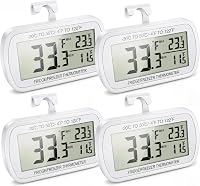
The VOULOIR thermometer has a stand, hook, and magnetic back, so you can choose a practical placement. Follow the fridge manual for where to put it and how long to wait for a reading.
What makes mini fridge sides hotter than usual?
A mini fridge may feel hotter when it has less room to release heat or is running more often. Check airflow and setup before assuming a part has failed.
Can poor clearance make a mini fridge hot on the sides?
Restricted airflow can trap heat around a fridge. Move it to meet the clearance requirements in its manual, and leave vents open.
Avoid enclosing a freestanding mini fridge in cabinetry unless its maker says that setup is allowed. If the unit sits on carpet, see whether a mini fridge can go on carpet for placement considerations.
Can dusty coils make a mini fridge hot on the sides?
Dust and lint can collect around accessible coils and vents, limiting airflow. Unplug the fridge first, then clean only the areas the manual identifies as safe to reach.
A flexible brush set can help clear dust from narrow, reachable gaps around coils. Don't bend its shaft excessively, force it behind a panel, or brush electrical parts.
The TAICHODEER set has flexible shafts, but the brand cautions against excessive bending. Use a vacuum or another method approved by the fridge maker if coils aren't safely accessible.
Can a hot room or nearby appliance make a mini fridge hotter?
A hot room can make a mini fridge work harder to move heat outside. Keep it away from direct sunlight, ovens, heaters, and other heat sources where possible.
If the room often gets very hot or cold, check whether your fridge is rated for those conditions. Garage-ready refrigerators are designed for a specific operating environment, which can differ from a typical indoor model.
Can a blocked door seal make a mini fridge run longer?
A door that doesn't close fully lets warm air enter, so the fridge may run longer. Check for packages blocking the door and wipe crumbs from the seal.
Limit long door openings while the fridge cools. If you also see frost building up, use the guide to mini fridge ice buildup to check common causes.
How do you clean around a mini fridge safely?
Unplug the fridge before cleaning accessible vents or coils, then follow its manual for approved tools and areas. Pull it out only if you can move it safely without straining the cord or damaging the floor.
Use a soft brush or vacuum attachment to remove loose dust from areas the manual identifies. Don't spray liquid into vents, remove covers, or scrape debris with sharp tools.
For narrow external gaps, a small crevice brush set offers several shapes for detail cleaning. Use it only on accessible surfaces, and don't push a tool into the cabinet or fan.
The Lumkew set includes 8 brushes for small spaces and crevices. Stop if a tool meets resistance, and check the refrigerator manual before cleaning any internal area.
When you finish, reconnect the fridge and let it cool with the door shut. Use a thermometer to check whether the interior is returning to its usual temperature.
Which tools help when mini fridge sides get hot?
Choose a tool based on the check you need to make. A thermometer suits a cooling question, while a brush is useful only when dust is reachable and the manual permits cleaning.
The VOULOIR thermometer is the clearest choice if you're unsure whether the interior is cooling properly. Its large LCD shows current, maximum, and minimum readings, and its stand, hook, and magnetic back offer several placement options.
Choose the TAICHODEER brush set if dust is accessible around coils or appliance gaps. Skip it if cleaning would require removing a panel, reaching into electrical parts, or forcing a tool into a tight space.
The Lumkew brush set suits someone who wants multiple small brush shapes for external crevices and vents. Skip it if you need a long coil brush or a tool for deep internal cleaning.
These tools can support simple checks and care, but none fixes a damaged cooling system or blocked internal component. If the fridge remains unusually hot or stops cooling, contact the maker or a qualified appliance technician.
What mistakes can make a mini fridge run hotter?
The most common setup mistakes are blocking airflow, ignoring the manual, and loading warm food while expecting quick cooling. Correcting those habits gives the fridge a better chance to release heat and cool its contents.
Don't push the cabinet tight against a wall or place it in a closed cabinet unless the maker approves that setup. Don't cover a rear grille or other vent, and don't assume every model needs the same clearance.
Avoid using a brush where you can't see or safely reach the area. Don't remove panels or use liquid cleaners around vents, coils, or electrical parts unless the manual specifically allows it.
Finally, don't judge cooling by side warmth alone. Check the interior with a thermometer and give the fridge time after loading groceries or opening the door repeatedly.
When should you call for help about hot mini fridge sides?
Contact the maker or a qualified appliance technician if the fridge is unusually hot and also stops cooling, runs nonstop, or makes a new concerning noise. A burning smell, smoke, sparks, or damaged cord needs prompt attention.
Unplug the unit if you can do so safely, especially if you see smoke or sparks. Don't open the sealed system or attempt electrical repairs yourself.
A fridge that is warm but cooling normally may only need more clearance or cleaning. For signs of age or repeated trouble, read how long a mini fridge lasts.
How should you decide what to do about a mini fridge hot on sides?
Keep using the fridge if its sides are warm, its setup meets the manual's clearance needs, and the interior stays cold. First clear the vents, check the door seal, and track the interior temperature.
Choose a thermometer if you need evidence that the fridge is cooling. Choose a brush only when dust is visible and safely reachable; skip both tools if the fridge shows signs of an electrical or cooling fault.
If airflow is clear and the interior still won't stay cold, contact the maker before attempting repairs. If you're replacing the unit, the mini refrigerator buying guide can help you compare size, freezer needs, and placement.
Frequently asked questions
Is it normal for a mini fridge to be hot on the sides?
Yes, warm sides can be normal because a refrigerator releases heat as it removes heat from inside. Check your manual for expected operation and required clearance.
If the cabinet is unusually hot, the fridge stops cooling, or you notice a burning smell, unplug it if safe and contact the maker.
How much space should I leave around a mini fridge?
Use the clearances in your mini fridge manual because the required space varies by model and vent design. Keep the sides, back, and vents unobstructed, and don't push the cabinet against a wall or enclose it in a snug cabinet unless the maker allows it.
Can dust make a mini fridge sides hot?
Dust around accessible coils or vents can reduce airflow and make it harder to release heat, depending on the refrigerator design. Unplug the fridge before cleaning, then use a soft brush or vacuum only where the manual permits.
Don't remove panels or reach into electrical parts unless the maker instructs you to.
When should I worry about a mini fridge getting hot?
Check the manual or contact the maker if the sides become unusually hot, the interior no longer stays cold, the compressor runs constantly, or you smell burning. Restore the required clearance and keep the fridge away from heat sources.
Unplug it if you see smoke, sparks, or damaged wiring and can do so safely.