Mini Fridge vs Compact Refrigerator: What Differs? (November 2026)
Mini fridge vs compact refrigerator is usually a comparison of names, not appliance types. The terms overlap, so choose by dimensions, usable storage, freezer layout and door swing.
On this page (9 sections)
- Mini fridge vs compact refrigerator: is there a difference?
- What size should you choose for your room?
- How much food storage do you need?
- Do you need a freezer compartment?
- Which one suits a dorm, office or bedroom?
- How should you set up and care for a compact refrigerator?
- How should you compare energy and setup details?
- What mistakes should you avoid when choosing?
- Which mini fridge or compact refrigerator should you choose?
Mini fridge vs compact refrigerator is usually a comparison of names, not appliance types. The terms overlap, so choose by dimensions, usable storage, freezer layout and door swing.
A small personal refrigerator can keep drinks and a few snacks close by. A larger compact refrigerator can hold more food for shared use, but needs more floor area and room for its door to open.
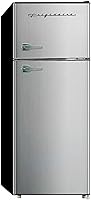
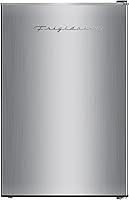
These 3 models show how much the category can vary: Midea offers 1.6 cubic feet, Igloo 3.2 cubic feet and Frigidaire 4.5 cubic feet. Our scores reflect how each model's features fit the needs described here.


Mini fridge vs compact refrigerator: is there a difference?
The names overlap, and neither one sets a standard capacity. Check the exact measurements and storage layout to decide whether a refrigerator suits your space.
“Mini fridge” often suggests a small personal appliance for a bedroom, office or dorm. “Compact refrigerator” can mean that same kind of appliance or a taller model with more food storage.
The Midea, for example, is called a mini fridge and holds 1.6 cubic feet. The Igloo is described as both a mini fridge and a compact refrigerator, yet its 3.2 cubic feet and 32.5-inch height put it in a different size class.
A product name is only a starting point. Compare width, depth and height, then check the manual's required clearances and the interior space you can actually use.
Does “compact refrigerator” mean a larger fridge?
Not always; compare the model's dimensions and capacity instead of relying on its label. A compact refrigerator can be smaller than another appliance also called a mini fridge.
The Midea is the smallest of these 3 by capacity and height. The Igloo is taller but slightly narrower, while the Frigidaire has the greatest capacity and the widest, deepest cabinet.
Capacity figures can include both fresh food and freezer space. Check how much of the total is available for each use, especially if you plan to store frozen meals or a regular supply of groceries.
What size should you choose for your room?
Choose a size that fits the measured opening and holds the food you plan to keep. Measure the full space, including the room needed for ventilation and the door to open.
The Midea measures 18.6 inches wide, 17.7 inches deep and 19.4 inches tall. Its low cabinet can suit a shelf-height area or a spot near a desk, as long as the manual's clearances are met.
The Igloo measures 17.13 inches wide, 18.63 inches deep and 32.5 inches tall. Its narrow width can help in a tight floor space, but its height rules it out beneath many desks and counters.
The Frigidaire measures 22 inches wide, 21 inches deep and 32 inches tall. It needs the most floor area of these options, so account for nearby cabinets, walkways and furniture.
For a step-by-step measurement check, see the mini fridge dimensions guide. Include the route into the room, since a refrigerator that fits its final spot still needs to pass through doorways and halls.
How much floor space do these models use?
The Midea and Igloo have similar cabinet footprints, while the Frigidaire takes more floor area. These estimates use width multiplied by depth and exclude installation clearances.
The Midea's footprint is about 2.3 square feet, the Igloo's about 2.2 square feet, and the Frigidaire's about 3.2 square feet. The Igloo is slightly narrower and shallower than the Midea but stands about 13 inches taller.
Don't use footprint alone to decide. A taller refrigerator may block a shelf, while a wider one may interfere with a walkway or nearby drawer.
Will the door open in your room?
Check the hinge side and door swing before you choose a spot. A refrigerator may fit its footprint but remain awkward to use beside a wall or desk leg.
The Midea and Frigidaire have reversible doors, which lets you set the opening direction for the room. The Igloo's door opens to the left, so confirm that the direction works with your layout.
Mark the cabinet footprint on the floor, then allow space for the door to open. Also check that you can pull out shelves, reach the back and open nearby drawers without a collision.
How much food storage do you need?
Choose capacity based on the kinds of food you keep and how often you shop. More capacity can be useful for groceries, but only if the cabinet fits the room and the food fits inside.
The Midea has 1.6 cubic feet of refrigerator space, a 2-liter bottle rack and one removable glass shelf. That layout can suit drinks, fruit and a few daily items, but it's a poor fit if you need room for a week's groceries or several large containers.
The Igloo has 3.2 cubic feet total, including 3 cubic feet of fresh food space and a 0.2 cubic foot freezer. Its glass shelves and door storage help separate chilled items from frozen ones.
The Frigidaire has 4.5 cubic feet total, with 4.3 cubic feet for fresh food and a 0.3 cubic foot internal freezer. Glass shelves, a 2-liter door basket and a can dispenser offer separate places for drinks and snacks.
Capacity alone doesn't guarantee a container will fit. Measure a tall bottle, meal container or freezer item you use often and compare its size with the interior layout.
For more choices around the same capacity, compare 4.5 cubic foot compact refrigerators. If freezer storage matters most, see the small refrigerators with a freezer guide.
Do you need a freezer compartment?
Choose a freezer when you need frozen food or ice; choose a chiller when chilled storage is enough. A freezer compartment takes up some of the space available for fresh food.
The Igloo has a separate 0.2 cubic foot freezer, and the Frigidaire has an internal 0.3 cubic foot freezer. The Midea has a separate chiller compartment, which is useful for extra-cold items but isn't a substitute for freezer storage.
Small freezers have limited space, so think about the items you plan to store rather than assuming a compartment can hold a full-size frozen meal supply. Read the manual for freezing guidance and how to manage frost.
If you need more frozen storage, compare small refrigerators with a freezer. If your routine is mostly drinks and fresh food, mini fridges without a freezer may give you a better use of the interior.
Which one suits a dorm, office or bedroom?
Match capacity to the room's rules, clearances and daily use. A bedside drink fridge, a shared office appliance and a dorm food fridge have different space needs.
For a bedside drink and snack supply, the Midea's low cabinet can be easier to place. Midea specifies a noise level below 42 dB, which may appeal in a quiet room; leave enough clearance and avoid placing it where vibration can transfer through furniture.
For a dorm or office where people share groceries, the Igloo and Frigidaire offer more capacity. Check the building's appliance rules, available outlet and the refrigerator manual before setting it up.
An under-desk refrigerator needs a clear path for airflow and a door you can open comfortably while seated or standing. The under-desk mini fridge guide covers placement checks.
Skip a larger compact refrigerator if you only need a few cold drinks and its footprint would crowd the room. Skip a very small model if you expect it to hold groceries for several people.
How should you set up and care for a compact refrigerator?
Set it on a suitable, level surface, leave the required ventilation space and follow its manual before loading food. A rushed setup can block airflow or make the door difficult to use.
Check the floor for stability, keep vents clear, and don't wedge the cabinet tightly between furniture. Use the electrical connection and temperature controls as directed for the exact model.
Load the interior with some space around items so cold air can circulate. Avoid packing the shelves against the back wall, and place frequently used drinks where you can reach them without holding the door open.
Clean spills promptly and wipe shelves with a mild cleaning solution suitable for the appliance. If a model requires manual defrosting, follow its instructions and avoid sharp tools that could damage the interior.
How should you compare energy and setup details?
Compare energy information for the exact models, and treat different capacity classes as different jobs. A refrigerator's name or size label alone doesn't predict what it will use in your home.
The Midea is ENERGY STAR certified and has an annual energy consumption figure of 207 kWh. The Igloo's listed annual figure is 304 kWh, but it has twice the total capacity, so the figures aren't a direct like-for-like comparison.
Frigidaire describes its model as Energy Star certified, while its annual energy figure is 5 kWh. Because that figure is unusual beside the other annual values, verify the exact model's energy information before relying on it for a comparison.
The ENERGY STAR mini fridge guide explains the certification. For more on power figures, read how many watts a mini fridge uses.
What mistakes should you avoid when choosing?
Avoid buying by the name, total capacity or footprint alone. A few measurements and use questions can prevent a poor fit.
First, don't assume every compact refrigerator is larger than every mini fridge. Compare the model's actual width, depth, height and storage layout.
Second, don't count a chiller as freezer space. If you keep frozen food, verify that the compartment is designed for it and has enough usable room.
Third, don't ignore door swing, ventilation and the route into the room. Measure the opening, check nearby furniture and read the setup instructions before deciding where the refrigerator will go.
Finally, don't buy more capacity than you can place or use. Extra room has little value if it blocks a walkway or leaves the appliance cramped against a wall.
Which mini fridge or compact refrigerator should you choose?
Choose the Midea for a low cabinet and small personal supply, the Igloo for a separate freezer in a narrow space, or the Frigidaire for the most fresh food capacity. The mini fridge vs compact refrigerator distinction matters less than the room, food and freezer needs you can name.
Pick the Midea for drinks and a few daily items in a bedroom or office. Choose the Igloo if you want more fresh food space plus a separate freezer, and have room for a taller cabinet.
Choose the Frigidaire if shared groceries need the most fresh food room and its wider footprint fits. If none matches your space or routine, use the mini refrigerator buying guide to compare other sizes and layouts.
Frequently asked questions
Is a mini fridge the same as a compact refrigerator?
Usually, yes. Both terms commonly refer to a small freestanding refrigerator.
However, they don't define a standard size or storage layout.
Compare cabinet dimensions, usable capacity and freezer arrangement to see whether a model fits your room and routine.
What size compact refrigerator fits under a desk?
Measure the available width, depth and height, then allow the clearances the manual requires. The Midea here is 19.4 inches tall, while the Igloo and Frigidaire are about 32 inches tall.
Check door swing and airflow before placing any model under a desk.
Do mini fridges have a real freezer?
Some include a freezer compartment, but size and design vary. The Igloo has a separate 0.2 cubic foot freezer, and the Frigidaire has an internal 0.3 cubic foot freezer compartment.
Check the manual for freezing guidance and frost care before relying on a small compartment.
Which is better for a dorm, a mini fridge or compact refrigerator?
The better choice depends on the room and how much food you store, since the terms overlap. A small personal model suits a tight corner.
A larger compact refrigerator can hold more groceries.
Measure the space and check dorm appliance rules first.
How do I choose between these compact refrigerators?
Choose the Midea for a low cabinet and reversible door, the Igloo for a separate freezer in a narrow cabinet, or the Frigidaire for the most total capacity. Compare usable food space, door direction and clearances.
The mini refrigerator buying guide covers other checks.