Energy Star Mini Fridges: What the Label Means
An Energy Star mini fridge meets efficiency criteria for its product category. The label helps you compare models, but it does not promise a specific bill or show how much energy a fridge will use in your room.
On this page (6 sections)
An Energy Star mini fridge meets efficiency criteria for its product category. The label helps you compare models, but it does not promise a specific electricity bill or describe performance in every room.
Check the model's annual energy consumption when that figure is available. Then weigh it against capacity, freezer needs and the space where the refrigerator will run.
For a broader checklist covering size, layout and features, see our mini refrigerator buying guide. This guide explains what the label can tell you and how to compare it with real use.
What does the Energy Star label mean on a mini fridge?
The Energy Star label means a refrigerator model is certified to meet efficiency criteria for its product category. The certification can help narrow choices, but it is not a promise of a fixed energy bill.
ENERGY STAR is a voluntary program run by the U.S. Environmental Protection Agency.
Its product requirements define which models qualify, and those criteria can change over time. Check the official ENERGY STAR refrigerator page for current program information.
A label also does not mean two certified models use exactly the same amount of electricity. Their size, configuration and design can differ, so compare the annual energy consumption figures for the particular models you are considering.
What does the label not tell you?
The certification alone does not tell you how much a mini fridge will cost to run, how cold it will keep food in your room or whether it will suit your storage needs. Those depend on the model and its conditions of use.
| The label can help with | Check separately |
|---|---|
| Finding models certified for efficiency | Annual energy consumption in kWh |
| Comparing products in a category | Capacity and usable storage |
| Recognizing a program certification | Room temperature and placement needs |
| Narrowing a shortlist | Your electricity rate and actual usage |
A model's annual energy figure is a standardized comparison point, not a guarantee of your own results. Room temperature, ventilation, thermostat setting and door use can affect how often the compressor runs.
A lower annual figure can be useful, but it should not outweigh a poor fit. A fridge that cannot hold what you need may lead you to add another appliance or replace it sooner.
How should you compare Energy Star mini fridges?
Compare annual kilowatt-hours, capacity and layout together. This gives you a clearer picture than choosing by the label alone.
| Model | Energy Star status | Annual energy consumption | Capacity |
|---|---|---|---|
| Midea 1.6 Cu Ft Mini Fridge | Certified | 207 kWh/year | 1.6 cu ft |
| BLACK+DECKER 1.7 Cu Ft Compact Refrigerator | Certified | 201 kWh/year | 1.7 cu ft |
| Upstreman 3.2 Cu Ft Stainless Mini Fridge With Freezer | Certified | 206 kWh/year | 3.2 cu ft |
These figures are for the specific models shown. They do not mean a bigger mini fridge always uses less energy than a smaller one, or that the same figures apply to other models from the same brand.
The Midea has a 1.6 cu ft capacity and an internal chiller compartment. The BLACK+DECKER has 1.7 cu ft of total capacity, including a 0.33 cu ft freezer compartment.
Its chiller compartment is not intended for frozen food. The Upstreman has 3.2 cu ft of total capacity, with 2.9 cu ft of refrigerator space and a 0.3 cu ft freezer compartment.
Match the layout to your food and drink needs. If you do not need a freezer compartment, our mini fridges with no freezer guide covers that configuration.
Does an Energy Star mini fridge use less electricity in your room?
Certification is a helpful efficiency signal, but your setup can affect actual use. A hot location or restricted airflow can make a refrigerator work harder than it would in a suitable, well-ventilated spot.
Keep the fridge away from heat sources and leave the clearance required by its manual. Avoid placing it where a door blocks airflow or where sunlight heats the cabinet.
Temperature settings also matter. Use a setting that safely chills the food you store, and avoid turning the thermostat colder than necessary.
Our mini fridge temperature guide explains how to check the temperature rather than guessing from a dial.
How can you check a mini fridge's energy use?
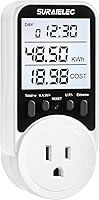
A plug-in watt meter can give you a usage estimate over time for a compatible refrigerator. Since a fridge cycles on and off, a momentary watt reading is not the same as daily or annual energy consumption.
Use a meter that matches the electrical requirements and follow its instructions. Track energy over several days of typical use, then review the cumulative kWh reading if your meter provides one.
A meter's result reflects the room, settings and habits during that measurement period. It may not match the manufacturer's annual figure, which is based on a standard method.
Do not use a short reading to predict a full year's bill. To estimate cost, you would also need your utility's rate and a representative usage period.
For more on wattage and energy figures, read how many watts a mini fridge uses.
How should you choose between certified mini fridges?
Pick the certified model that fits your storage needs and available space, then compare its annual energy figure with similar options. The label helps with efficiency screening; capacity and layout decide whether the fridge works for you.
Choose a compact model if it can hold your everyday items. Consider a larger fridge with a freezer only if you will use both compartments and have room for the cabinet and its ventilation gaps.
For choices across styles and sizes, browse our mini fridge picks by type. Before setup, check the manual's electrical and clearance instructions, and use a watt meter if you want to observe energy use in your own space.
Frequently asked questions
What does Energy Star mean on a mini fridge?
It means the model is certified to meet ENERGY STAR efficiency criteria for its product category. The label helps you find models that meet the program's current requirements, but it does not tell you the exact energy use in your room or guarantee a particular electricity bill.
Does Energy Star tell me how much a mini fridge costs to run?
No. The certification is an efficiency signal, not a bill estimate.
Running cost depends on the fridge's energy use, your electricity rate, room conditions and how you use it.
Compare annual energy figures where available, then measure your own use if you need a closer estimate.
Are all mini fridges with an Energy Star label equally efficient?
No. Certified models can differ in capacity, design and annual energy consumption.
Compare the annual kilowatt-hour figures for models you are considering, and remember that a larger fridge may use more total energy while offering more storage.
Can a watt meter show my mini fridge's energy use?
A plug-in watt meter can track energy use over a chosen period for a compatible appliance. Follow the meter instructions and compare the result over several days of normal use, since a refrigerator's compressor cycles on and off instead of drawing the same power constantly.
Does an Energy Star mini fridge use less energy in every room?
The label reflects efficiency under program criteria, not every possible setup. Poor ventilation, a hot room, frequent door openings or an unsuitable temperature setting can affect real-world use.
Follow the refrigerator manual's placement and clearance instructions.