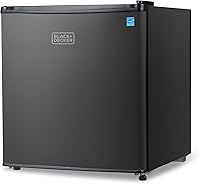
Midea vs BLACK+DECKER Mini Fridge: Which Is Better? (November 2026)
For the Midea vs BLACK+DECKER mini fridge choice, pick Midea for separate refrigerator and freezer temperature ranges, or BLACK+DECKER for a slightly larger fresh food section and lower annual energy use. Both are Energy Star certified and have reversible doors.
On this page (7 sections)
- Midea vs BLACK+DECKER mini fridge: which difference matters most?
- Which fridge gives you more useful storage?
- Which mini fridge uses less energy?
- Which model fits a dorm, office or bedroom?
- How should you set up and care for a mini fridge?
- What mistakes should you avoid when choosing between them?
- How do you make the final Midea vs BLACK+DECKER choice?
For the Midea vs BLACK+DECKER mini fridge decision, choose Midea when separate refrigerator and freezer temperature ranges matter most. Choose BLACK+DECKER when you want a little more fresh food space and a lower stated annual energy figure.
Both are compact, Energy Star certified refrigerators with reversible doors. The Midea has 3.1 cubic feet of total capacity, including a 0.92 cubic foot freezer; BLACK+DECKER has 3.2 cubic feet overall, including 2.2 cubic feet for fresh food and a 0.9 cubic foot chiller compartment.
The Midea 3.1 cu ft mini fridge review covers its shelves, controls and freezer in more detail. This comparison focuses on which layout suits your food, room and routine.


Midea vs BLACK+DECKER mini fridge: which difference matters most?
Midea gives you separate temperature ranges for the refrigerator and freezer, while BLACK+DECKER offers slightly more total and fresh food capacity. Start with the foods you plan to store, then check whether each model fits your space.
Midea's mechanical thermostat adjusts the refrigerator from 32°F to 50°F and the freezer from -11.2°F to 5°F. BLACK+DECKER has a manual control with up to 7 settings, but it does not specify a separate temperature range for its chiller compartment.
That distinction matters if you want freezer temperature control. If most of your food is drinks, snacks, produce and leftovers, BLACK+DECKER's slightly larger fresh food section may be more useful than the Midea's separate freezer adjustment.
The freezer capacities are close: 0.92 cubic feet for Midea and 0.9 cubic feet for BLACK+DECKER. Think about the shape and number of items you freeze, since a small difference in stated capacity may not determine whether your containers fit.
Which fridge gives you more useful storage?
BLACK+DECKER has 0.04 cubic feet more total capacity, and Midea has 0.02 cubic feet more freezer capacity. Those small gaps matter less than whether the shelves, door bins and compartments suit the items you keep.
Both models have removable glass shelves and a crisper drawer. Midea adds a 2-liter bottle rack, while BLACK+DECKER has full and half-width door storage for cans, small containers or a 2-liter bottle.
Before ordering, make a short list of your regular groceries: tall bottles, meal containers, produce and frozen items. Compare their sizes with the available interior layout and check the door storage too.
A cabinet can have enough total capacity but still be awkward for a tall bottle or wide container.
How do the Midea and BLACK+DECKER shelves and doors compare?
Both doors can be reversed, and both models have removable glass shelves. Midea adds an interior light, while BLACK+DECKER has adjustable leveling legs and full and half-width door bins.
A reversible door helps when a wall, desk or cabinet is close to one side of the fridge. Choose the opening direction before placing the unit, and leave room for the door to swing wide enough to reach the shelves and drawers.
The Midea's interior light can help you see food in a dim bedroom or office. BLACK+DECKER's adjustable leveling legs can help it sit evenly on the floor, and its door bins offer a separate place for drinks and small containers.
Is the Upstreman a useful third option?
Upstreman is worth considering when you want more fresh food space and only a small freezer. It has 2.9 cubic feet for refrigeration and a 0.3 cubic foot freezer.
That balance is different from the two main choices. Upstreman says its freezer is not suitable for ice cream or ice cubes, so skip it if you need those items kept frozen.
Its 2 adjustable glass shelves and reversible door offer flexibility for a bedroom, dorm, office or apartment. Upstreman states an operating noise level of 38 dB, which may help when comparing options for a room where people sleep or work.
Which mini fridge uses less energy?
BLACK+DECKER has the lower stated annual energy figure, at 219 kWh compared with Midea's 270 kWh. Both are Energy Star certified, but the figures are useful for comparing these two models rather than predicting every household's exact use.
The difference between the stated figures is 51 kWh per year. Actual electricity use can vary with room conditions, thermostat settings, how full the fridge is and how often you open the door.
Upstreman's stated annual energy figure is 206 kWh. Its much smaller freezer and larger fresh food section change the storage tradeoff, so compare the layout as well as the energy number.
If the certification label is part of your decision, read what the Energy Star label means for mini fridges. For a broader comparison of brand options, see the best mini fridge brands and their top models.
Which model fits a dorm, office or bedroom?
Either Midea or BLACK+DECKER can suit a compact room if its dimensions and door swing fit the space. Measure the opening and nearby obstacles before deciding between them.
Midea measures 19.4 inches deep, 18.5 inches wide and 33 inches high. BLACK+DECKER measures 17.7 inches wide, 19.3 inches deep and 32.7 inches high, making it slightly narrower and shorter but slightly deeper.
Measure the space at floor level and at the height of the fridge, since baseboards, counters and nearby furniture can affect placement. Also check the path through doorways and the room needed to open the fridge door.
The mini fridge dimensions guide explains how to plan for cabinet size and usable access.
A desk or bedside location can make door direction and noise more noticeable. Confirm that you can open the door without blocking a walkway, and follow the manual's placement and clearance instructions.
How should you set up and care for a mini fridge?
Place the fridge on a firm, level surface, leave the clearances stated in its manual and set the thermostat for the food you store. Good placement gives you access to the door and helps avoid blocking the unit's ventilation.
Check the floor, outlet location and door swing before moving the fridge into its final position. Keep it away from spots where the door would hit a wall or furniture, and avoid placing food where it prevents the door from closing fully.
For Midea, set the refrigerator and freezer controls with the two compartments in mind. BLACK+DECKER uses a manual control with multiple settings, so adjust it gradually.
Check that your stored foods stay suitably chilled, and use the manuals for each model's specific setup directions.
Both models use manual defrost, so check the freezer periodically for frost and follow the manual's steps when defrosting is needed. Wipe spills promptly, keep the door seal and shelf edges clean, and avoid forcing oversized items into the chiller or freezer compartment.
What mistakes should you avoid when choosing between them?
The most common mistake is choosing by total capacity alone. Check the usable storage, freezer needs, dimensions, door swing and energy figure as a group.
Don't assume BLACK+DECKER's chiller behaves like a separately controlled freezer. It has a chiller compartment, but a separate temperature range is not specified; choose Midea if independent freezer temperature adjustment is a requirement.
Don't choose Midea only because its freezer is fractionally larger. The difference is 0.02 cubic feet, while the fresh food section is slightly smaller than BLACK+DECKER's.
Measure containers you regularly use and focus on the compartments that will hold them.
Don't overlook the room layout. Compare width, depth and height, and account for the open door.
Leave the clearances required by the manual. The mini fridge buying guide covers fit, capacity, features and setup questions that apply across compact refrigerators.
How do you make the final Midea vs BLACK+DECKER choice?
Pick Midea if you want separate refrigerator and freezer temperature ranges; pick BLACK+DECKER if you prioritize a slightly larger fresh food section and the lower annual energy figure. Both have reversible doors and Energy Star certification.
For a dorm, bedroom or office where frozen food is part of your routine, Midea is the stronger match because it specifies a temperature range for both sections. Its interior light is also useful in a dim corner.
For drinks, produce, snacks and leftovers, BLACK+DECKER is the more practical match when you value its door storage and lower stated energy use. If you need little or no frozen storage, compare it with the best mini fridges with no freezer.
Choose Upstreman when its 0.3 cubic foot freezer is enough and you want most of the interior for refrigerated food. Before ordering any of the three, confirm the dimensions, door clearance and storage layout against your room and daily needs.
Frequently asked questions
Is Midea or BLACK+DECKER better for a mini fridge?
Midea suits you if a separate freezer with its own adjustable temperature range matters most. BLACK+DECKER is a better fit if you want slightly more fresh food capacity and the lower annual energy figure of these two models.
Both have reversible doors and Energy Star certification.
Which mini fridge has more freezer space?
The Midea has 0.92 cubic feet of freezer capacity, just above BLACK+DECKER's 0.9 cubic feet. The difference is small, so check the interior layout and the size of the frozen items you plan to store before choosing.
Does BLACK+DECKER use less energy than Midea?
The BLACK+DECKER model has an annual energy figure of 219 kWh, compared with 270 kWh for the Midea model. Those figures help compare these models, but your actual use can vary with room conditions, temperature settings and door openings.
Are Midea and BLACK+DECKER mini fridges Energy Star certified?
Yes, both models in this comparison are Energy Star certified. Check the certification for the exact model you plan to buy, since a brand can sell multiple compact refrigerators with different features.
Which mini fridge is easier to fit in a tight space?
Compare the cabinet dimensions with your available width, depth and height, then allow the clearances required by the manual. Midea measures 19.4 inches deep, 18.5 inches wide and 33 inches high; BLACK+DECKER measures 17.7 inches wide, 19.3 inches deep and 32.7 inches high.